
This may be a controversial topic. It shouldn’t be, but I know many, many people look forward to various animal encounters when they book shore excursions. From dolphins to sloths to riding horses on the beach, there are many popular options for cruisers to book.
Maybe you’re asking… How can animal encounters be unethical? First off, when I say animals, I’m using it as a catch-all for mammals, birds and marine life. Almost all encounters include wild animals, and wild animals are meant to be just that: wild. No one is booking an excursion to see domesticated animals unless it’s possibly horseback riding. Sure, you might visit a cat cafe, but that isn’t exactly what we are talking about here.
No. I’m not a PETA member. Nothing close to that. I grew up on the family farm. As a kid, we had lots of hogs and bottle calves. Today, my dad runs a cattle farm. But the thing is, good farmers treat their animals well. You have to in order to be profitable. However, there is a difference between livestock and wild animals. Livestock are bred to be contained. If you let a bunch of cattle run free, most wouldn’t last the year. However, I believe wild animals should remain wild if at all possible. They aren’t bread for captivity.
Things to look for when trying to find an ethical animal encounter.
- Is it a sanctuary? – Sanctuaries both rehabilitate animals and release them when they can and provide a safe environment when animals no longer have the ability to take care of themselves in the wild.
- How are the animals housed? Do they have plenty of room to run and play? Does their enclosure mimic the animal’s natural habitat?
- How many encounters are they expected to participate per day or week?
For me, no matter how much I want to get to see, touch or hold an animal, I just cannot do so if I feel like the animal is being mistreated in any way. I am not even a fan of zoos and aquariums like Sea World. While I know that many of them only have animals that were born into captivity and could not survive living in the wild, the fact that these animals are being bread specifically for that reason is a little bit of an issue for me. Zoos literally have breading programs, and it isn’t so they can be released back into the wild to boost populations. While many of those breeding programs are designed to protect animals on the verge of extinction, that doesn’t excuse those that don’t fit that criteria.
I was in high school in the 90’s, so of course I wanted to be a marine biologist. Despite having only visited the ocean twice during my childhood, I was fascinated by marine life. Especially dolphins. To be fair, I still am. Of course I didn’t become a marine biologist; I just couldn’t commit to moving away from my family. However, I did finally get to swim with dolphins during a cruise several years ago.
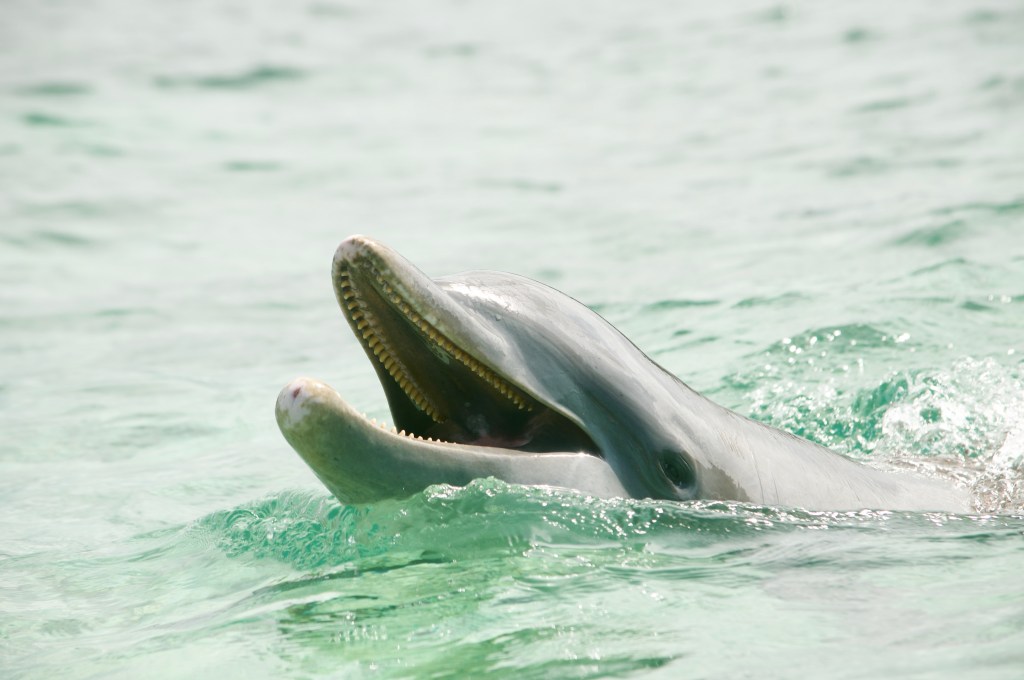
One of the most important things to me when choosing the right excursion was that I chose an ethical one. Making sure the place hosting the dolphin swim was a sanctuary and not an aquarium was step one. Of course places can claim they are whatever they want, so it is important to do your research and read reviews. The encounter we booked was affiliated with the Roatan Institute of Marine Science at Anthony Key’s in Roatan, Honduras. While I had felt comfortable booking the excursion as it was described as being through a dolphin sanctuary, it wasn’t until we arrived and were given an explanation of the facilities and how the dolphins are housed that I learned how ethical the place truly was. While many places that offer dolphin encounters may claim to be sanctuaries, this facility truly is a sanctuary and research facility. In fact, the dolphins used in the encounter are not only treated well, but they are given access to the open ocean daily, making it the dolphins’ choice as to whether they remain with the facility or not. The dolphins choose whether they feel like participating in the encounters, and they only do one or two a day at most. The money the facility gets from the encounters is used to help with the sanctuary and its research facility.
Our latest animal encounter was on our recent cruise where we went to a sanctuary that had sloths and monkeys. Despite my attempt to research and find an ethical facility, little information is available on the various “sanctuaries” providing sloth and monkey encounters on the island of Roatan. Probably the most popular one is Daniel Johnson’s Monkey and Sloth Hangout. I never could find out much about how their animals are housed and treated, but I do know that hundreds of people go through there on a busy port day. That alone concerns me. From what I have heard from people who have been there, they must limit the amount of time their sloths are being handled as we heard complaints that they showed up and were not allowed to hold sloths due to the time of the day. So that is something.
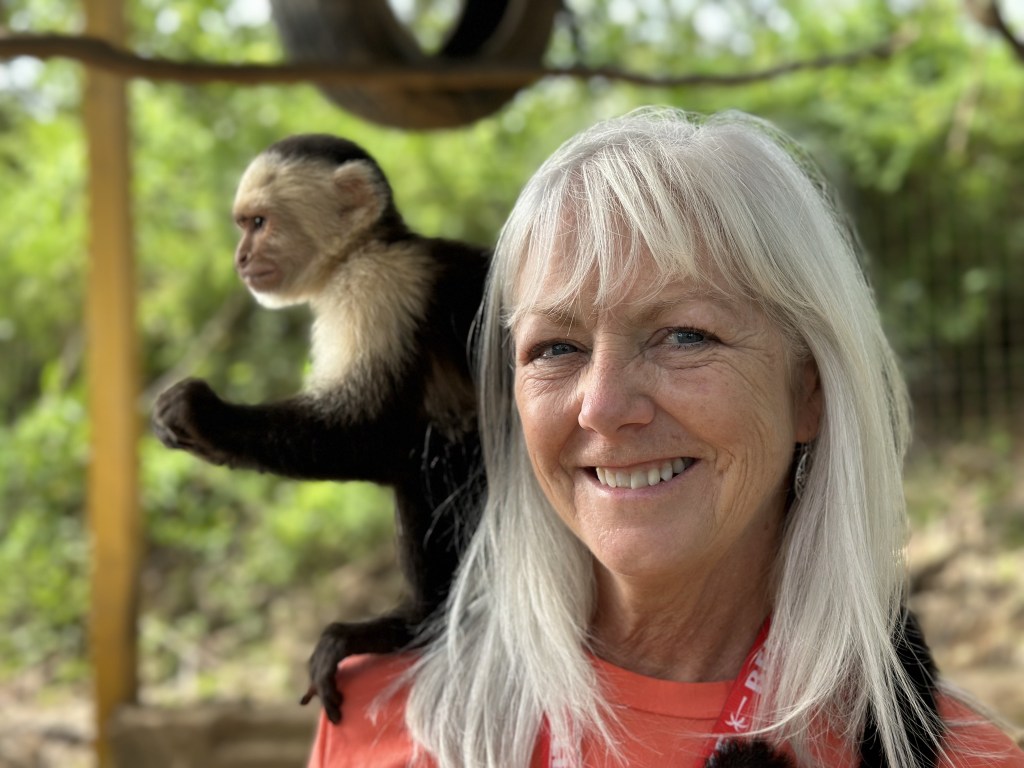
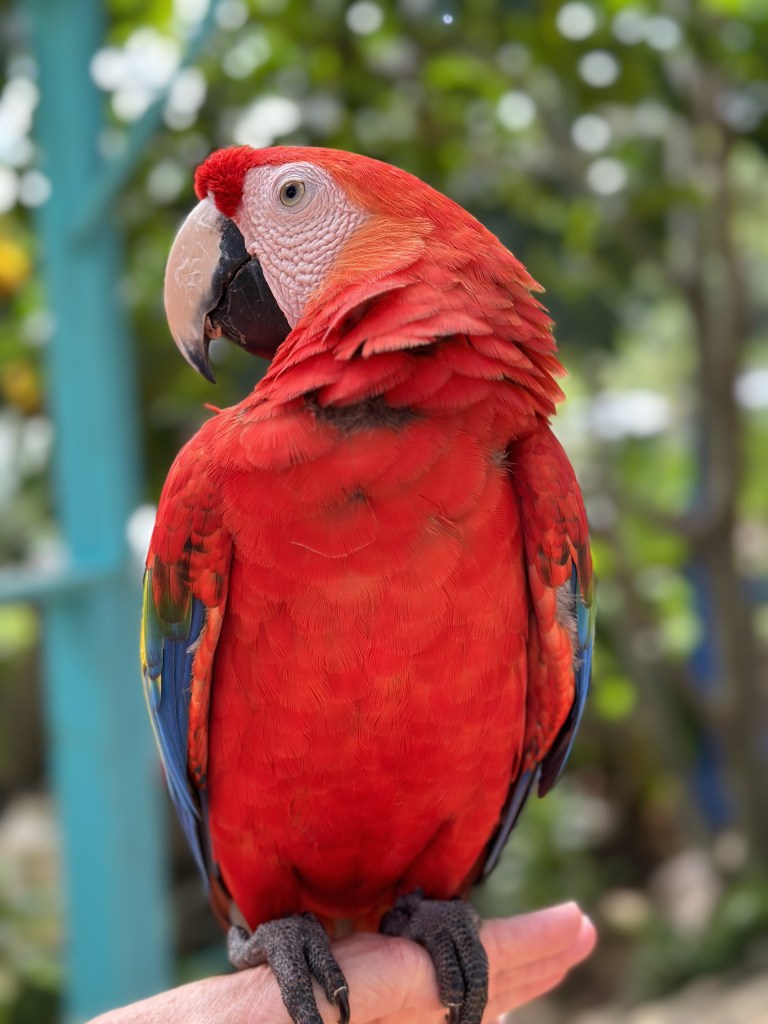


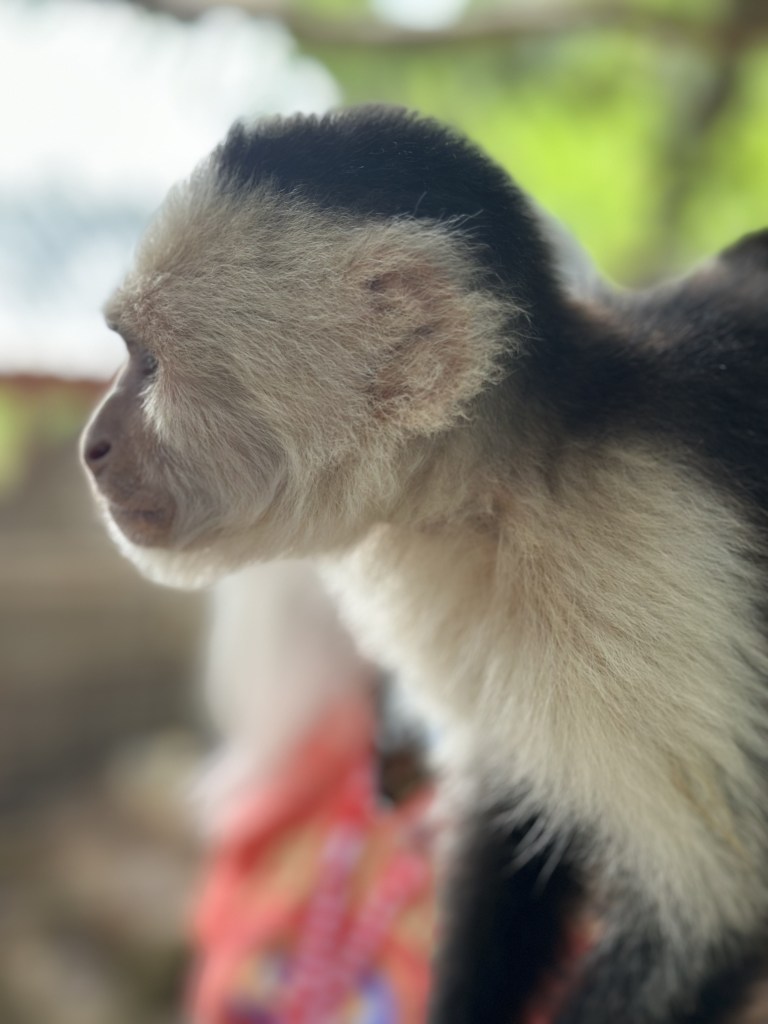
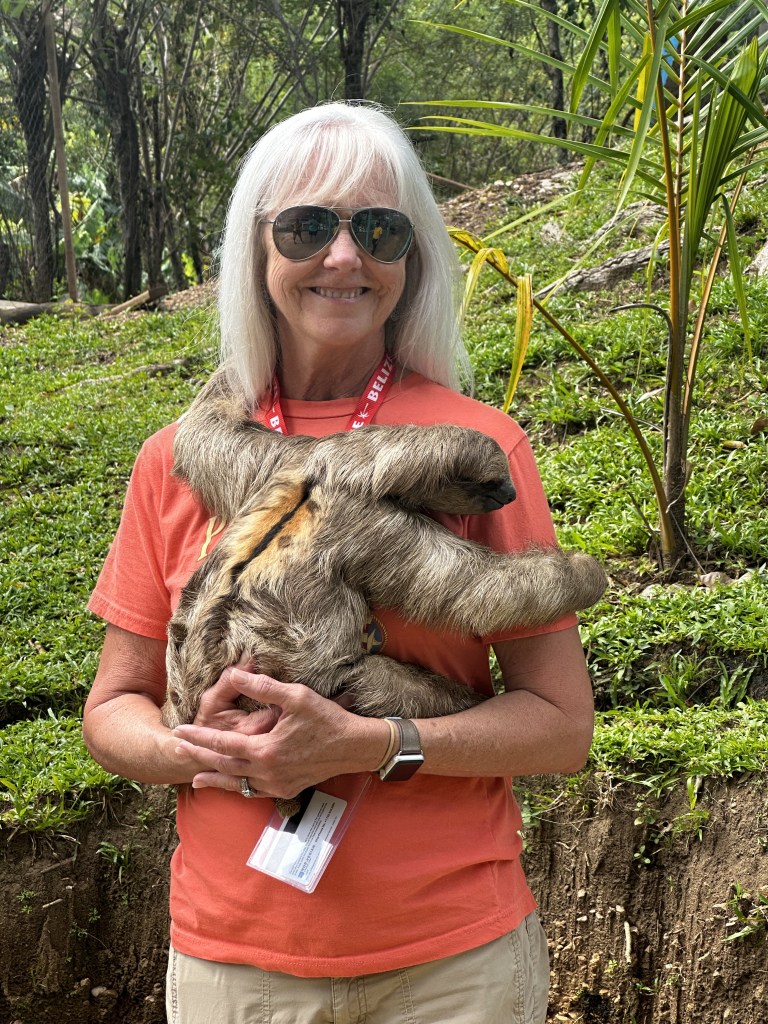
We had booked a private island tour that included a monkey and sloth encounter. When booking it, I just assumed we would be taken to Daniel Johnson’s because I wasn’t familiar with any other sanctuaries on the island. When our driver pulled up to the facility, I was concerned because I knew it wasn’t where I thought we were going. We ended up at Manawakie Eco Nature Park, a small sanctuary that has sloths, capuchin monkeys and scarlet macaws. I wasn’t super impressed with the monkey’s enclosure, but I was encouraged by the separate housing they had for their newest monkeys that had been rescued and were in quarantine while getting several rounds of vaccinations and medical treatment. The best part, however, was that Manawakie wasn’t overwhelmed by tourists. When we arrived there was a small group leaving and another couple arrived after us. Because of this, we were given all the time we wanted with the animals, and they were not forced into hundreds of encounters a day. At no point were we rushed through our time with the animals. We were also allowed to take all the photos and videos we wanted even though they had a photographer following us around and could choose to purchase those photos as well. When I asked where their animals came from, the staff said that they were taken in as rescues. I got the impression that many (at least the monkeys) are from people who had them as pets and decided they were too much trouble. I would definitely visit again.
I hope the next time you book an animal encounter, you take the time to look into the facility and make sure that the animals are being treated well.
 Cruising From The Ozarks